

Multiple sclerosis (MS) is a complex neurological condition that affects the central nervous system, disrupting communication between the brain and body. Symptoms vary widely from person to person but commonly include fatigue, muscle weakness, balance difficulties, pain, mobility limitations, and changes in mood or cognition.
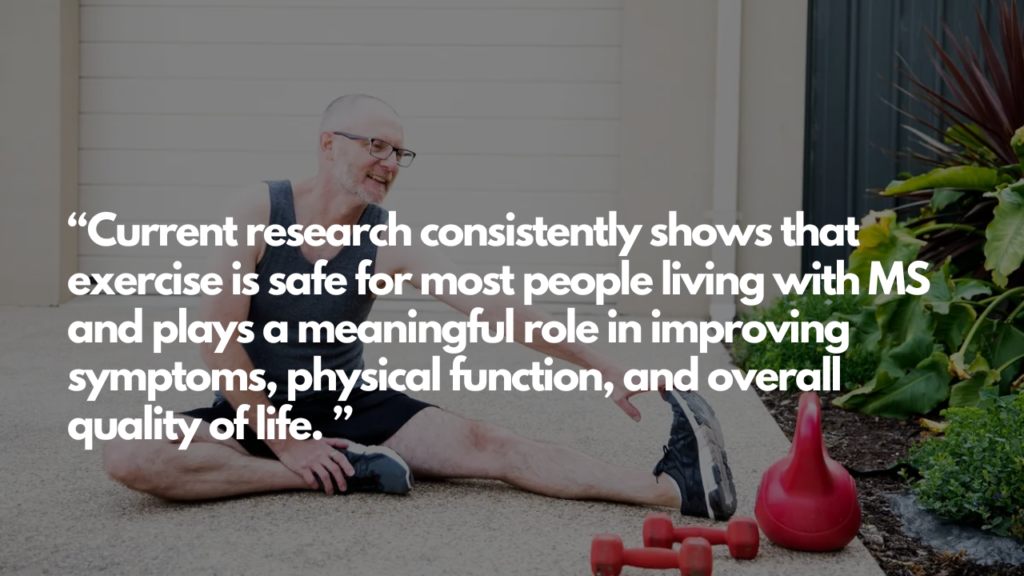
Current research consistently shows that exercise is safe for most people living with MS and plays a meaningful role in improving symptoms, physical function, and overall quality of life. When prescribed appropriately, movement becomes a powerful therapeutic tool—this is where exercise physiology plays an important role within the treatment team..
Understanding the Different Types of Multiple Sclerosis
MS can present in different ways, and symptoms, progression, and exercise needs may vary depending on the type of MS a person has. Understanding these differences highlights why individualised exercise support is so important.
Relapsing–Remitting MS (RRMS)
This is the most common form of MS. People experience periods of new or worsening symptoms (relapses) followed by periods of partial or complete recovery (remissions). Exercise programs often need to be adjusted during relapses and can be gradually progressed during remission periods to optimise function and confidence.
Secondary Progressive MS (SPMS)
Some people with relapsing–remitting MS go on to develop secondary progressive MS. In this form, symptoms tend to gradually worsen over time, with or without relapses. Exercise in SPMS focuses on maintaining strength, mobility, balance, and independence while managing fatigue and symptom progression.
Primary Progressive MS (PPMS)
Primary progressive MS involves a steady progression of symptoms from the outset, without clear relapses or remissions. Exercise aims to slow physical decline, support daily function, manage fatigue, and optimise quality of life through tailored, achievable movement strategies.
Regardless of the type of MS, exercise can be beneficial when it is individualised and adapted to a person’s symptoms, abilities, and stage of the condition, which is why guidance from an exercise physiologist is so valuable.
1. Improved Strength, Mobility, and Balance
Muscle weakness, reduced coordination, and balance difficulties are common in MS. Carefully prescribed and individualised exercise can:
- Increase muscle strength
- Improve walking ability
- Reduce the risk of falls
- Support day‑to‑day independence
Regular movement helps the nervous system make better use of remaining neural pathways and can slow physical deconditioning that often occurs when activity levels decrease.
2. Reduced Fatigue—One of the Most Common MS Symptoms
Fatigue is one of the most disabling and misunderstood symptoms of MS. While it may feel counterintuitive, research shows that regular exercise can reduce MS‑related fatigue rather than worsen it.
Exercise assists with improving cardiovascular fitness, enhancing sleep quality and increasing energy efficiency during daily tasks.
Importantly, exercise must be appropriately paced and individualised, as this is key to managing symptoms and avoiding flare‑ups.
3. Better Mental Wellbeing and Cognitive Function
Living with MS can have a significant impact on psychological wellbeing. Anxiety, depression, and cognitive changes are more common among people with MS.
There is significant research demonstrating the positive effects exercise has on reducing symptoms of depression and anxiety, improving mood and self-confidence and supporting attention, memory and processing speed.
Physical activity also provides a sense of control and empowerment, which is especially important when living with a long‑term condition.
For someone living with MS, an exercise physiologist plays a crucial role in ensuring exercise is safe, effective, and tailored to their individual symptoms and goals.
Individualised, Symptom Aware Exercise Programs
MS presents differently in every person and can even change from day to day. An exercise physiologist designs programs that adapt to fluctuations in fatigue, mobility, balance, and pain. They also have the expertise to modify exercise during relapses or symptom changes and progress activity safely over time.
This individualised approach allows people to experience the benefits of exercise without feeling overwhelmed or discouraged.
If you or someone you care for is living with multiple sclerosis, exercise can be a safe, empowering, and effective part of the management journey. With the right support, physical activity can improve strength, reduce fatigue, enhance mental wellbeing, and support a better quality of life.
Exercise physiology ensures that movement is purposeful, personalised, and sustainable, making it a vital part of the MS treatment team.
Written By Uplift EP, Leah King