
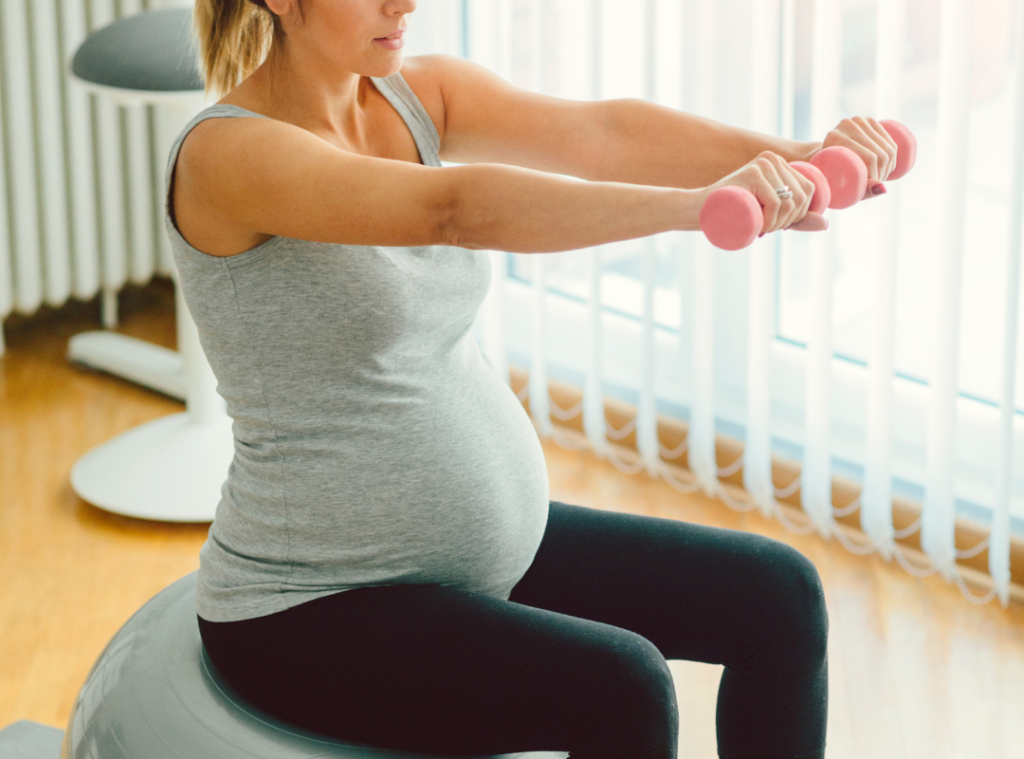
Pregnancy is a time of significant physical and hormonal change. For some women, these changes can lead to gestational diabetes mellitus (GDM)—a condition that affects how the body regulates blood glucose during pregnancy. The good news is that exercise is one of the most effective and safe strategies for managing gestational diabetes and improving both maternal and baby health outcomes.
With the right guidance, physical activity can help regulate blood glucose levels, improve insulin function, and support a healthier pregnancy. Accredited Exercise Physiologists (EPs) play an important role in helping women with gestational diabetes exercise safely and effectively.
What is Gestational Diabetes?
Gestational diabetes mellitus (GDM) is a type of diabetes that develops during pregnancy, typically in the second or third trimester. It occurs when hormonal changes associated with pregnancy lead to increased insulin resistance, meaning the body cannot use insulin effectively to regulate blood glucose levels.
As a result, blood sugar levels become elevated.
While gestational diabetes usually resolves after pregnancy, it is associated with several potential risks if not well managed, including:
- Larger birth weight (macrosomia)
- Increased likelihood of caesarean delivery
- Higher risk of developing type 2 diabetes later in life
- Increased risk of metabolic conditions for the baby
Importantly, gestational diabetes can often be effectively managed through lifestyle interventions, particularly exercise and appropriate nutrition (Xu & Liu, 2024).
Why Exercise is So Important for Gestational Diabetes
Exercise is considered a first-line lifestyle intervention for the management and prevention of gestational diabetes.
Research consistently shows that physical activity during pregnancy can:
- Improve blood glucose regulation
- Reduce insulin resistance
- Lower the risk of excessive fetal growth
- Improve pregnancy and birth outcomes
- Reduce the risk of developing gestational diabetes in the first place (Martínez‐Vizcaíno et al., 2023)
Regular exercise is also associated with improved cardiovascular health, better mood, reduced pregnancy discomfort, and improved physical function.
How Exercise Improves Blood Glucose Control
Exercise influences several physiological processes that directly improve glucose regulation in women with gestational diabetes.
1. Improved Insulin Sensitivity
During exercise, working muscles require energy and increase their uptake of glucose from the bloodstream. This process improves insulin sensitivity, allowing the body to use insulin more effectively.
This helps reduce circulating blood glucose levels and improves overall metabolic control (Xu & Liu, 2024).
2. Increased Glucose Uptake by Muscles
Muscle contractions during exercise stimulate glucose uptake independent of insulin, meaning glucose can enter muscle cells even when insulin resistance is present.
This mechanism is particularly beneficial in gestational diabetes, where insulin resistance is elevated.
3. Improved Muscle Mass and Metabolic Function
Exercise—particularly resistance training—helps increase or maintain muscle mass. Because muscle tissue is metabolically active, it plays an important role in glucose storage and regulation.
This contributes to improved long-term glycaemic control.
4. Reduced Inflammation and Improved Circulation
Regular physical activity helps improve circulation, cardiovascular health, and metabolic regulation, all of which support healthier pregnancy outcomes.
A recent meta-analysis found that exercise interventions significantly improved blood glucose levels and pregnancy outcomes in women with gestational diabetes (Shu et al., 2025).
What Types of Exercise Are Best?
Both aerobic exercise and resistance training are beneficial for women with gestational diabetes.
Aerobic Exercise
Aerobic activities improve cardiovascular fitness and increase overall energy expenditure.
Examples include:
- Walking
- Swimming
- Cycling (stationary bike)
- Low-impact aerobics
Aerobic exercise helps improve insulin sensitivity and contributes to improved blood glucose control.
Resistance Training
Resistance training strengthens muscles and supports metabolic health.
Examples include:
- Bodyweight exercises
- Resistance band exercises
- Light dumbbell training
- Functional strength movements
Research shows that moderate-intensity resistance exercise can significantly improve blood glucose levels and pregnancy outcomes in women with gestational diabetes (Huifen et al., 2022).
Combining aerobic and resistance training often provides the greatest benefits.
Exercise Recommendations for Gestational Diabetes
Exercise recommendations during pregnancy are guided by organisations such as the American College of Sports Medicine (ACSM) and Exercise and Sport Science Australia (ESSA).
General guidelines suggest:
Frequency
- Most days of the week
Duration
- Approximately 150 minutes of moderate-intensity physical activity per week
Intensity
- Moderate intensity, where conversation is still possible (often described as the “talk test”).
Type of Exercise
A combination of:
- Aerobic exercise
- Light to moderate resistance training
- Pelvic floor exercises
Women who were previously inactive should start gradually and increase activity levels safely over time.
All exercise programs should be individualised, particularly when pregnancy complications or other health conditions are present.
How an Exercise Physiologist Can Help
Accredited Exercise Physiologists are highly trained allied health professionals who specialise in using exercise to manage and prevent chronic health conditions.
For women with gestational diabetes, Exercise Physiologists can:
Provide Safe and Individualised Exercise Programs
Every pregnancy is different. EPs design personalised programs that consider:
- Stage of pregnancy
- Current fitness level
- Medical history
- Pregnancy-related symptoms
- Blood glucose responses to exercise
Monitor Exercise Safety
EPs ensure exercise is performed safely by monitoring:
- Exercise intensity
- Symptoms such as dizziness or fatigue
- Appropriate exercise technique
- Pregnancy-specific modifications
Support Blood Glucose Management
Exercise Physiologists can help individuals understand:
- When to exercise relative to meals
- How exercise affects blood glucose levels
- How to safely progress exercise during pregnancy
Provide Education and Confidence
Many women with gestational diabetes feel uncertain about what exercise is safe during pregnancy. EPs provide education, reassurance, and structured support to help individuals feel confident and comfortable being active.
The Positive Impact of Exercise During Pregnancy
Exercise during pregnancy offers benefits not only for managing gestational diabetes but also for overall maternal wellbeing.
These benefits include:
- Improved energy levels
- Reduced pregnancy discomfort
- Better mental health
- Improved sleep
- Increased strength and endurance for labour and delivery
- Reduced risk of pregnancy complications
When done safely and appropriately, exercise is a powerful tool for supporting a healthy pregnancy.
Final Thoughts
Gestational diabetes is a common condition, but it is highly manageable with the right support. Exercise plays a key role in improving insulin sensitivity, regulating blood glucose levels, and supporting positive pregnancy outcomes.
Accredited Exercise Physiologists are uniquely placed to guide women with gestational diabetes through safe, personalised exercise programs that support both maternal and baby health.
Staying active during pregnancy can empower women to take control of their health, improve pregnancy outcomes, and build lifelong healthy habits.
References
Huifen, Z., Yaping, X., Meijing, Z., Huibin, H., Chunhong, L., Fengfeng, H., & Yaping, Z. (2022). Effects of moderate-intensity resistance exercise on blood glucose and pregnancy outcome in patients with gestational diabetes mellitus: A randomized controlled trial. Journal of Diabetes and Its Complications, 36(5), 108186.
Martínez‐Vizcaíno, V., Sanabria‐Martínez, G., Fernández‐Rodríguez, R., Cavero‐Redondo, I., Pascual‐Morena, C., Álvarez‐Bueno, C., & Martínez‐Hortelano, J. A. (2023). Exercise during pregnancy for preventing gestational diabetes mellitus and hypertensive disorders: An umbrella review of randomised controlled trials and an updated meta-analysis. BJOG: An International Journal of Obstetrics & Gynaecology, 130(3), 264–275.
Shu, L., Jiang, R., Wang, F., Xu, Y., Wang, P., Ma, Y., … & Huang, C. (2025). Effects of exercise on blood glucose levels and pregnancy outcomes in women with gestational diabetes mellitus: A meta-analysis and meta-regression. Journal of Exercise Science & Fitness.
Xu, H., & Liu, R. (2024). Comprehensive management of gestational diabetes mellitus: Practical efficacy of exercise therapy and sustained intervention strategies. Frontiers in Endocrinology, 15, 1347754.